2025/9/9
Pharmacy Systems in Japan vs. Other Countries: What Travelers Should Know
Introduction
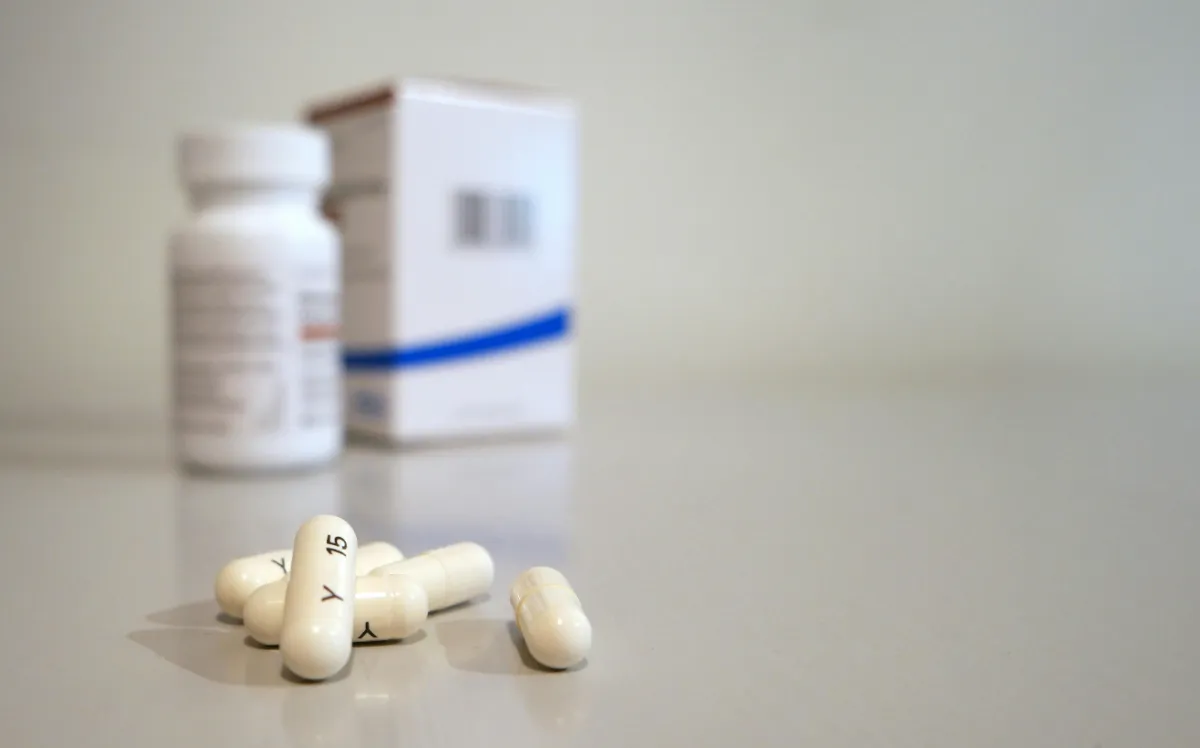
If you’re visiting Japan and need medicine, you may be surprised by how different the system is compared to your home country. From prescription rules to what pharmacists can do, Japan follows a more cautious, doctor-led approach. Here’s what you need to know.
1. Prescription & Over-the-Counter Medications
Japan:In Japan, most medications require a doctor’s prescription. Over-the-counter (OTC) drugs are strictly categorized (Class 1–3), and many require explanation from a licensed pharmacist before purchase. Even for minor symptoms, most locals still go to a clinic first.
U.S., Australia, U.K.:In contrast, Western countries have broader access to OTC medicines. Pharmacists are allowed to give advice and provide certain medications (like antibiotics or emergency contraceptives) without a prior doctor’s visit. In Australia, “Schedule 3” drugs can be dispensed at a pharmacist’s discretion.
2. Role & Authority of Pharmacists
Japan:Pharmacists mainly handle dispensing, medication explanation, and sometimes home visits. They cannot prescribe medications and typically do not manage ongoing care.
Western Countries:Pharmacists often play a more active healthcare role. In many states in the U.S., and countries like New Zealand, they can issue prescriptions under protocols. They may also administer vaccines or manage chronic conditions.
3. How Medicine Is Given
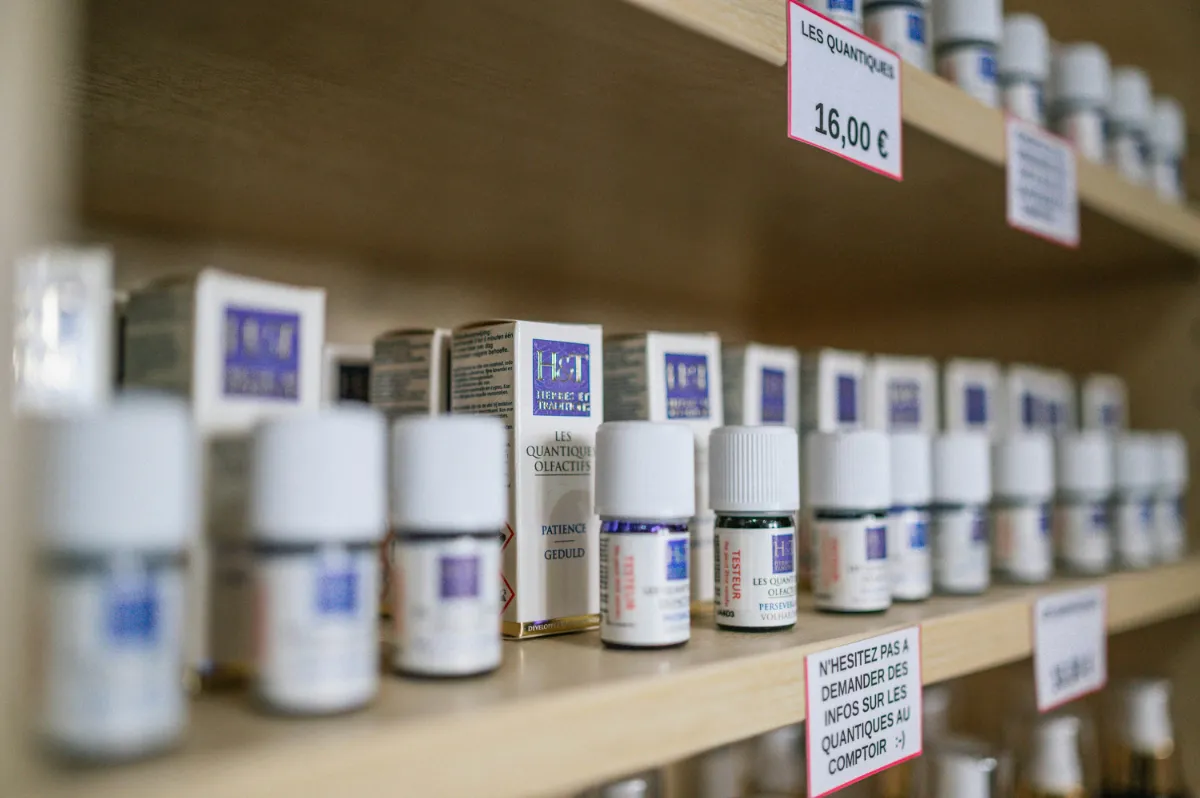
Japan:Medicines are often custom-packed per dose, especially for children or elderly patients.
Abroad:Tablets are usually given in bottles or blister packs with general instructions.
4. Health Insurance Systems
Japan:All residents are covered by national health insurance, and drug prices are standardized by the government.
U.S.:Heavily dependent on private insurance. Medicine and healthcare can be expensive without coverage.
Europe/Oceania:Public insurance or hybrid systems vary by country, but drugs are generally more affordable than in the U.S.
5.Approach to Self-Care and Responsibility
Japan:Some travelers try self-medication with over-the-counter drugs, but results can be slow or inconsistent. In Japan, people tend to visit a doctor even for minor symptoms as they can expect to receive prescribed medicine which usually works faster because doctors choose the most effective option based on your exact symptoms and condition.
U.S./Australia:Citizens are encouraged to take charge of their own health. OTC purchases are common, and seeking doctor’s advice is often a secondary step.
Europe:Generally more cautious, with pharmacists offering detailed guidance even for OTC use.
6. Vaccinations at Pharmacies

Japan:Vaccinations are usually provided at hospitals or clinics, not pharmacies.
U.S./Australia/Europe:Pharmacists are often licensed to administer flu shots, travel vaccines, and more—making pharmacies a frontline for public health.
Finding Medicine as a Tourist in Japan
Pharmacies in Japan rarely offer English support. OTC drug types are limited, and online ordering is often not an option for travelers.
That’s why many international visitors use JIC-LINK — a platform that helps you:
• Find English-speaking clinics
• Book appointments online
• Check accepted insurance and payment options
It’s trusted not only by travelers but also by long-term foreign residents in Japan.
Final Thoughts: Japan’s Safety-First Model
Japan’s pharmacy system reflects a safety-first, expert-led approach, where patients are expected to consult doctors before taking action. While this ensures a high standard of care, it may feel restrictive for travelers accustomed to self-medication and pharmacist-led access in their home countries.
Understanding these differences can help you better prepare for your trip to Japan—and avoid stress when you need medical help.
If you’re looking for an easier way to access multilingual clinic information, JIC-LINK can help you book appointments, check insurance compatibility, and find English-speaking clinics near you.
Mediーlink is now available on WhatsApp!