2025/9/25
Autumn Allergies in Japan 2025: What Travelers with Hay Fever or Asthma Should Watch Out For
Introduction
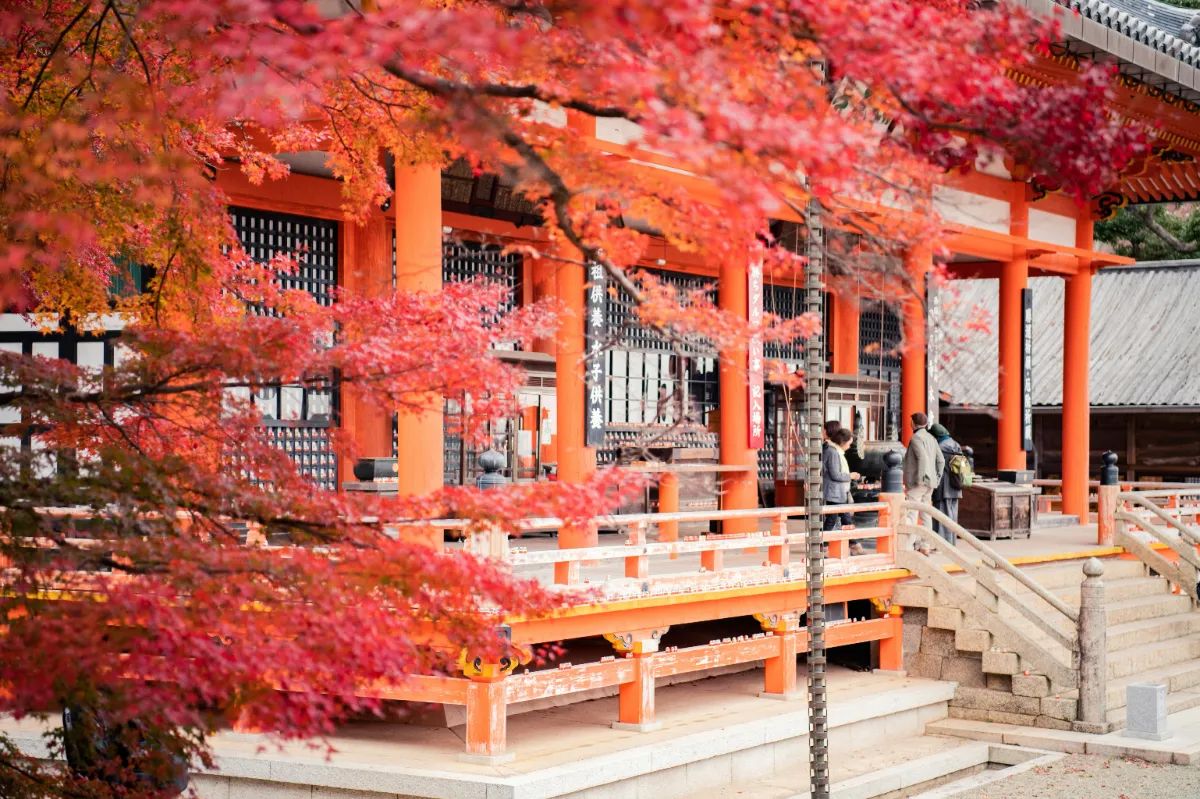
When people think of hay fever in Japan, they often imagine spring cedar pollen. But did you know that autumn allergies in Japan can also cause sneezing, itchy eyes, or even asthma flare-ups? In 2025, experts predict that pollen levels will be higher than usual nationwide, making it important for travelers to be prepared.
- Introduction
- 2025 Forecast: Heavier Pollen Season Ahead
- Why Autumn Allergies Are Something to Watch Out For
- Symptoms to Watch For
- Prevention Tips for Travelers
- Travelers with Asthma: Extra Care Needed
- When to See a Doctor
- Final Thoughts
2025 Forecast: Heavier Pollen Season Ahead
According to the Japan Weather Association, autumn 2025 will bring above-average pollen counts across much of Japan. Last year’s record heat encouraged the growth of pollen-producing weeds such as ragweed and mugwort, leading to stronger pollen release this season.
・Western Japan: Expected to see significantly higher pollen than average・Tokyo & Central Japan: Also forecast to have more pollen than usual・Northern Japan: Slightly higher than average, though not as intense as central regions
⏰ Peak Season: From late August through mid-September, with pollen levels staying high into October.
Why Autumn Allergies Are Something to Watch Out For
- Smaller pollen particles: Ragweed and mugwort pollen (15–25 μm) are smaller than cedar pollen (30–40 μm), meaning they spread more easily indoors and can reach deeper into the lungs.
- Early onset of symptoms: Some travelers start sneezing or coughing in late August, before they even realize it’s allergy season.
- Asthma sensitivity: Fine particles may trigger coughing or wheezing in people with asthma.
- Children’s vulnerability: Kids are especially sensitive, as their airways and skin react more strongly to airborne allergens.
Smaller pollen particles: Ragweed and mugwort pollen (15–25 μm) are smaller than cedar pollen (30–40 μm), meaning they spread more easily indoors and can reach deeper into the lungs.
Early onset of symptoms: Some travelers start sneezing or coughing in late August, before they even realize it’s allergy season.
Asthma sensitivity: Fine particles may trigger coughing or wheezing in people with asthma.
Children’s vulnerability: Kids are especially sensitive, as their airways and skin react more strongly to airborne allergens.
Symptoms to Watch For

・Sneezing, runny or stuffy nose・Itchy, watery eyes・Coughing or wheezing・Shortness of breath or asthma flare-up・Fatigue or poor sleep due to nasal congestion
Because symptoms often resemble a cold or flu, many first-time visitors may not realize they have hay fever. For travelers with asthma, autumn pollen can worsen respiratory symptoms, so preparation is important.
Prevention Tips for Travelers
- Check pollen forecasts: Autumn pollen can be high in September–October, especially in urban green spaces.
- Wear a mask outdoors: Masks are common in Japan and help filter pollen.
- Use allergy eye drops or nasal sprays: Available at pharmacies—look for an English speaking pharmacy Tokyo or ask staff for “kafun-shou yaku” (花粉症薬).
- Wash pollen off: Shake off clothes and wash hands, face, and hair after returning to your hotel.
- Keep windows closed: Use air conditioning instead of opening windows to avoid bringing pollen indoors.
- Avoid grassy areas: Parks, riverbanks, and vacant lots are common sources of ragweed and mugwort pollen.
Check pollen forecasts: Autumn pollen can be high in September–October, especially in urban green spaces.
Wear a mask outdoors: Masks are common in Japan and help filter pollen.
Use allergy eye drops or nasal sprays: Available at pharmacies—look for an English speaking pharmacy Tokyo or ask staff for “kafun-shou yaku” (花粉症薬).
Wash pollen off: Shake off clothes and wash hands, face, and hair after returning to your hotel.
Keep windows closed: Use air conditioning instead of opening windows to avoid bringing pollen indoors.
Avoid grassy areas: Parks, riverbanks, and vacant lots are common sources of ragweed and mugwort pollen.
Travelers with Asthma: Extra Care Needed
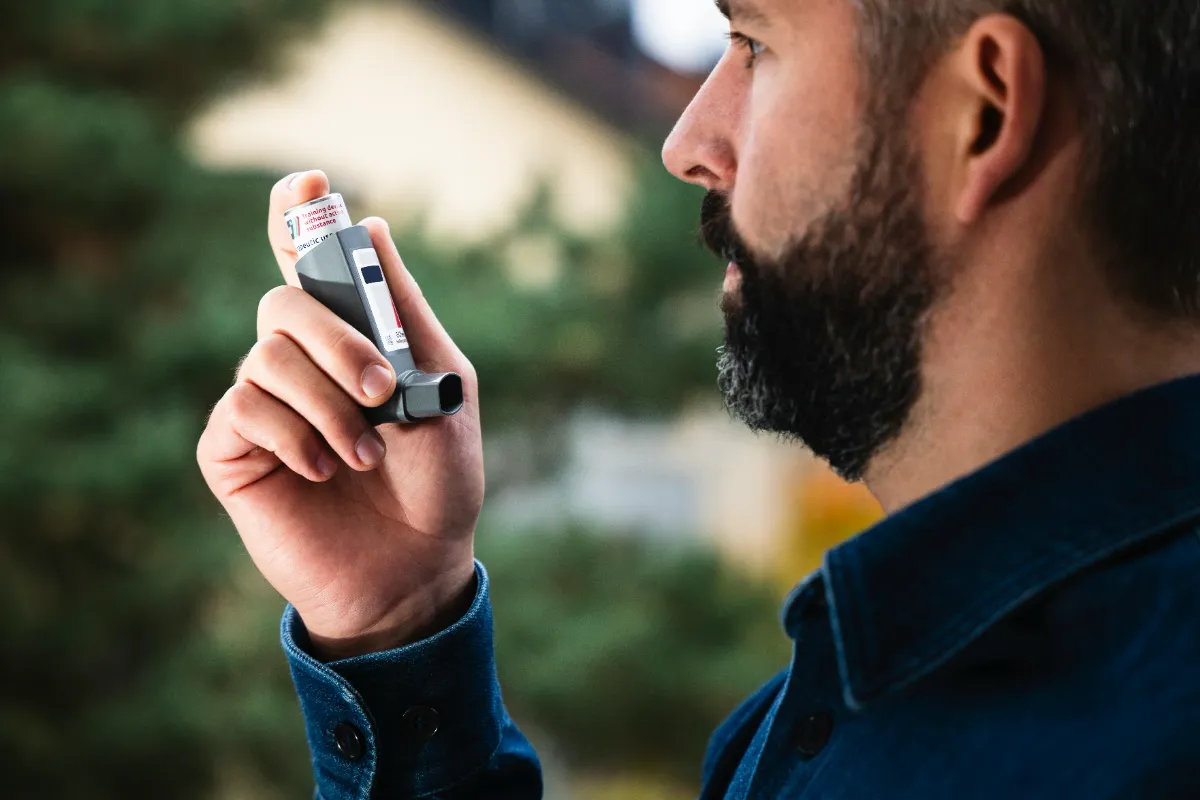
If you or your child have asthma:
- Always carry your inhaler and bring extra medication (enough for your trip + one week).
- Keep a copy of your medical history and prescription in English.
- Inform your travel insurance provider in advance and ensure it covers asthma or travel insurance that covers mental illness and chronic conditions.
- If symptoms become severe, don’t hesitate to search for a health clinic near me or fever clinic near me for urgent support.
Always carry your inhaler and bring extra medication (enough for your trip + one week).
Keep a copy of your medical history and prescription in English.
Inform your travel insurance provider in advance and ensure it covers asthma or travel insurance that covers mental illness and chronic conditions.
If symptoms become severe, don’t hesitate to search for a health clinic near me or fever clinic near me for urgent support.
When to See a Doctor
If over-the-counter remedies don’t help, or if symptoms worsen, visit a clinic. For allergies and asthma, look for:
- Internal medicine (naika 内科) or ENT (jibika 耳鼻科) clinics
- English-speaking clinics in Tokyo like International Clinic Tokyo, American Clinic Tokyo, or Sendagaya Clinic
- JIC-LINK, which helps travelers:-Find nearby bilingual clinics-Book online appointments and pay securely-Request English medical certificates for insurance claims
Internal medicine (naika 内科) or ENT (jibika 耳鼻科) clinics
English-speaking clinics in Tokyo like International Clinic Tokyo, American Clinic Tokyo, or Sendagaya Clinic
JIC-LINK, which helps travelers:
-Find nearby bilingual clinics
-Book online appointments and pay securely
-Request English medical certificates for insurance claims
Final Thoughts
Autumn in Japan is beautiful, but in 2025 pollen levels are expected to be higher than average, especially from ragweed and mugwort. For travelers with hay fever or asthma, this is something to watch out for. With masks, medication, and knowledge of where to find an English-speaking clinic, you can manage symptoms and enjoy your trip with peace of mind.
Mediーlink is now available on WhatsApp!